Dr Tarun Jindal

Categories
Urology

Winter Dehydration and Kidney Health – Advice from a Urologist in Kolkata

Dehydration and Kidney Health

Winter often brings relief from the scorching summer heat, but it also comes with a hidden health risk—dehydration. Many people unknowingly reduce their water intake during colder months, which can significantly affect kidney health. According to Dr. Tarun Jindal, a Top urologist in Kolkata, winter dehydration is one of the most overlooked causes of urinary and kidney-related problems.

Unlike summer, where thirst naturally reminds us to drink water, winter suppresses the body’s thirst signals. Increased fluid loss through respiration, dry air, and sweating under heavy clothing further contribute to dehydration, putting extra stress on the kidneys.

How Winter Dehydration Affects the Kidneys

How Winter Dehydration Affects the Kidneys

The kidneys play a vital role in filtering waste and excess fluids from the body. When water intake is low, urine becomes more concentrated, increasing the risk of several urological conditions:

  • Kidney Stones: Concentrated urine allows minerals and salts to crystallize, leading to stone formation.
  • Urinary Tract Infections (UTIs): Reduced urine output means bacteria are flushed out less frequently.
  • Reduced Kidney Function: Chronic dehydration can impair kidney filtration over time.
  • Worsening of Existing Kidney Disease: Patients with pre-existing kidney conditions are especially vulnerable during winter.

As an experienced Urologist in Kolkata, Dr. Tarun Jindal frequently sees patients whose symptoms worsen in winter due to inadequate hydration.

Signs You May Be Dehydrated in Winter

Dehydration is not always obvious. Watch out for symptoms such as:

  • Dark yellow or strong-smelling urine
  • Reduced frequency of urination
  • Fatigue and headaches
  • Dry skin and lips
  • Lower back or flank discomfort

Ignoring these signs can lead to serious kidney complications if left unaddressed.

Simple Tips to Stay Hydrated in Winter

Simple Tips to Stay Hydrated in Winter

Maintaining kidney health during winter does not require drastic changes—just mindful habits:

  • Drink water at regular intervals, even if you are not thirsty
  • Include warm fluids like soups and herbal teas
  • Eat water-rich fruits and vegetables
  • Limit excessive caffeine and alcohol intake
  • Monitor urine color as a hydration indicator

Dr. Tarun Jindal advises that patients with kidney stones, prostate issues, or chronic kidney disease should be extra cautious during colder months.

When to See a Urologist in Kolkata?

If you experience persistent urinary discomfort, pain, or changes in urination patterns during winter, it is highly important to seek medical advice. Early intervention can prevent long-term kidney damage.

Winter dehydration is a silent threat that can significantly impact kidney health if ignored. Staying hydrated and recognizing early warning signs are key to prevention. Under the guidance of Dr. Tarun Jindal, a Top urologist in Kolkata, patients can receive expert care and personalized advice for maintaining optimal kidney health. If you notice symptoms or have existing urological concerns, consult an experienced Urologist in Kolkata to ensure your kidneys stay healthy all winter long.


Also read: Why Proper Hydration Is The Best Daily Habit For Urological Wellness

Latest Blog

Winter Dehydration and…

Navigating Post-Surgery: Common…

Why Proper Hydration…

Categories
Urology

Navigating Post-Surgery: Common Complications Following Bladder Cancer Treatment

Bladder Cancer Treatment

Bladder cancer surgery plays a very important role in removing cancerous tissue and protecting long-term health. While the process of this surgery is a big milestone in itself, the process of recovery doesn’t end after the hospital leaves. There are a lot more physical challenges that you might face after the surgery. Knowing what to expect after surgery helps patients feel more confident and prepared. Many of the post-surgical issues are very casual and manageable with timely care, and having medicine on time. In this blog, the best Urologist in Kolkata will discuss the post-complications of bladder cancer, and also say how to get a quick recovery from that.

Types of Bladder Cancer Surgeries and Recovery Expectations

Types of Bladder Cancer Surgeries and Recovery Expectations

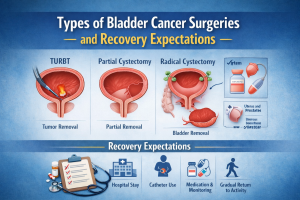
Recovery experiences vary depending on the type of bladder cancer surgery performed. Transurethral Resection of Bladder Tumor (TURBT) is a minimally invasive procedure that typically involves a shorter recovery period. Partial cystectomy removes only a section of the bladder, while radical cystectomy involves complete bladder removal and urinary diversion. Hospital stays, rehabilitation needs, and lifestyle changes differ with each procedure, making personalized recovery plans essential.

Urinary Complications After Surgery

Changes in urinary function are common following bladder cancer treatment. Patients may notice increased frequency, urgency, leakage, or difficulty emptying the bladder completely. Those with catheters may experience discomfort, irritation, or mild pain initially. While many urinary symptoms improve over time, persistent pain, blood in urine, or inability to urinate should never be ignored and require immediate medical evaluation. To experience the best class treatment of the urinary section, you can consult with the well-known Robotic Urological Surgeon in Kolkata, and resolve your urinary problem quickly and effectively.

Infection and Wound-Healing Challenges

Surgery increases the risk of infections, particularly urinary tract infections and wound-related issues. Warning signs include fever, increasing pain, redness around the surgical site, swelling, or unusual discharge. Maintaining proper hygiene, following catheter care instructions, and keeping wounds clean are critical. Early detection and prompt treatment help prevent complications from becoming serious or life-threatening.

Sexual and Reproductive Health Concerns

Sexual and Reproductive Health Concerns

Bladder Cancer Doctor in Kolkata says surgery can affect sexual health in both men and women. Some patients experience erectile dysfunction, reduced libido, or vaginal dryness. Beyond physical changes, emotional concerns about intimacy and body image are common. Open communication with healthcare providers enables access to treatments, counseling, and supportive therapies that help patients regain confidence and enhance their quality of life.

Final Verdict

Severe pain, high fever, sudden urinary changes, or signs of infection require immediate medical attention. Regular follow-ups help track recovery and detect concerns early. Early care and timely visits to the doctor can manage these sorts of post-complications of bladder treatment. Mostly, having a good diet and a healthy lifestyle can help recover from these post-surgery problems very quickly. To feel an instant relief from your bladder issues, you can come to Dr. Tarun Jindal‘s clinic, who is known as the best Bladder Cancer Doctor in Kolkata. So, come to his clinic and cure your bladder problems and lead a healthy life.

Also Read: Dos and Don’ts for Better Urological Health

Latest Blog

Winter Dehydration and…

Navigating Post-Surgery: Common…

Why Proper Hydration…