

Dr Tarun Jindal

Categories
Urology

Active Surveillance for Prostate Cancer: When Monitoring May Be Better Than Immediate Surgery

Prostate Cancer

A prostate cancer diagnosis does not always mean that surgery or radiation treatment must begin immediately. Some prostate cancers grow very slowly and may not cause significant health problems for several years. In carefully selected patients, active surveillance allows doctors to monitor the disease closely while avoiding or delaying unnecessary treatment. Consulting an experienced prostate cancer Doctor in Kolkata can help patients understand whether this approach is appropriate for their diagnosis.

What Exactly Is Active Surveillance?

Active surveillance is a structured monitoring strategy generally recommended for men with low-risk and selected favourable intermediate-risk prostate cancers.

Instead of starting treatment immediately, doctors regularly assess whether the cancer shows signs of progression. The objective is to avoid potential treatment-related complications while ensuring that appropriate intervention is not delayed if the disease becomes more aggressive.

It is important to understand that active surveillance is not the same as ignoring cancer or avoiding medical care. It involves a carefully planned follow-up schedule.

What Does the Monitoring Process Involve?

Active surveillance usually includes several assessments to track changes in the disease. These may involve:

  1. PSA Blood Tests

Prostate-specific antigen (PSA) levels are monitored periodically. A rising PSA level may require further investigation, although it does not automatically indicate cancer progression.

  1. Multiparametric MRI

An MRI scan helps doctors assess the prostate, identify suspicious areas and monitor changes in previously detected lesions.

  1. Prostate Biopsy

Repeat biopsies may be recommended to evaluate whether the cancer’s grade, volume or characteristics have changed.

  1. Clinical Evaluation

Regular consultations help doctors review test results, assess symptoms and determine whether the monitoring plan needs modification.

Prostate Cancer

When Should Active Surveillance Be Reconsidered?

Active surveillance may not remain suitable throughout a patient’s lifetime. If repeat investigations reveal a higher Gleason grade, increasing tumour volume or other evidence of disease progression, doctors may recommend definitive treatment.

Treatment options can include surgery, radiation therapy or other approaches depending on the patient’s condition.

An experienced prostate cancer Doctor in Kolkata can evaluate these findings and explain when continuing surveillance is reasonable and when active treatment may offer greater benefits.

Does Active Surveillance Affect Quality of Life?

For eligible patients, avoiding immediate treatment can help preserve urinary and sexual function for longer. This can be particularly meaningful because prostate cancer treatments may sometimes lead to urinary incontinence, erectile dysfunction and other side effects.

However, regular monitoring can create anxiety for some individuals. Understanding the follow-up schedule and maintaining open communication with the treating specialist can make the process easier.

The Importance of Individualised Prostate Cancer Care

Every prostate cancer diagnosis is different. Age, life expectancy, PSA levels, biopsy findings, MRI results, tumour characteristics and personal preferences all influence treatment decisions.

Dr. Tarun Jindal specialises in uro-oncology and advanced prostate cancer management. Patients seeking guidance from a prostate cancer Doctor in Kolkata should understand that the best treatment is not necessarily the most aggressive one. It is the approach that offers appropriate cancer control while considering long-term health and quality of life.


Latest Blog

Active Surveillance for…

Robotic Urological Treatment:…

Prostate Cancer Symptoms:…

Categories
Urology

Robotic Urological Treatment: How Precision Surgery Is Changing the Approach to Complex Urological Conditions

Robotic Urological Treatment

Surgical treatment for urological conditions has evolved significantly with the introduction of robotic-assisted techniques. Procedures that once required large incisions and extensive recovery periods can now be performed through minimally invasive approaches in appropriately selected patients. For individuals exploring advanced treatment options, consulting an experienced Urologist in Kolkata can help determine whether robotic surgery is suitable. Robotic Urological Treatment in Kolkata is increasingly becoming an important option for managing complex conditions affecting the prostate, kidneys and bladder.

What Makes Robotic Urological Surgery Different?

Robotic-assisted surgery allows surgeons to operate using specialised instruments controlled through a console. The system provides magnified, high-definition three-dimensional visualisation and instruments designed to offer enhanced dexterity within confined anatomical spaces.

Importantly, the robot does not perform surgery independently. The surgeon controls every movement, making clinical expertise and surgical judgement essential throughout the procedure.

This technology can be particularly useful in urology, where delicate structures, nerves and blood vessels require careful handling.

The Importance of Preserving Healthy Tissue

One of the major considerations in urological cancer surgery is removing the affected tissue while preserving as much healthy tissue and function as possible.

For instance, during a partial nephrectomy, the objective is to remove a kidney tumour while retaining the remaining functional kidney tissue whenever clinically appropriate. Similarly, robotic-assisted prostatectomy may involve nerve-sparing techniques in suitable patients to help preserve urinary and sexual function.

Robotic Urological Treatment in Kolkata offers access to advanced surgical approaches for selected cases involving prostate, kidney and bladder cancers. However, the suitability of each procedure depends on tumour characteristics, disease stage and the patient’s overall health.

Robotic Prostate Surgery in Kolkata

Does Robotic Surgery Mean Faster Recovery?

Robotic procedures generally involve smaller incisions than traditional open surgery. Depending on the operation and the patient’s condition, potential benefits may include:

  • Reduced surgical blood loss.
  • Less postoperative discomfort.
  • Smaller surgical incisions.
  • Shorter hospital stays in suitable cases.
  • Earlier return to routine activities.

However, recovery differs from person to person. The complexity of surgery, existing health conditions and postoperative care all influence the healing process.

Why Does Surgical Experience Matter?

Advanced technology alone cannot guarantee successful treatment. The surgeon’s understanding of anatomy, experience with complex procedures and ability to make appropriate intraoperative decisions remain crucial.

Dr. Tarun Jindal specialises in uro-oncology, robotic surgery and laparoscopic urological procedures. With extensive experience in managing complex urological cancers, his approach focuses on combining surgical expertise with individualised treatment planning.

Patients considering Robotic Urological Treatment in Kolkata should discuss the expected benefits, possible complications, alternative procedures and recovery requirements with an experienced Urologist in Kolkata before making a decision.

Making an Informed Treatment Decision

Robotic surgery is an important advancement, but it is not automatically the right choice for every patient. A detailed clinical assessment helps determine the most appropriate approach based on individual medical needs. Consulting Dr. Tarun Jindal, an experienced Urologist in Kolkata, can help patients understand their treatment options and explore whether Robotic Urological Treatment in Kolkata is appropriate for their condition.

Latest Blog

Active Surveillance for…

Robotic Urological Treatment:…

Prostate Cancer Symptoms:…

Categories
Urology

Prostate Cancer Symptoms: What Men Should Know After 50

Prostate Cancer Symptoms

Turning 50 is often a good time for men to become more proactive about their health. Prostate cancer is one condition that deserves attention, particularly because it may not cause noticeable symptoms in its early stages. Knowing the possible warning signs and discussing concerns with a prostate cancer Doctor in Kolkata can support timely evaluation and appropriate care.

Can Prostate Cancer Cause Symptoms?

Early prostate cancer may not cause any symptoms at all. As the disease progresses, however, changes in urination or other health concerns may develop. Importantly, these symptoms can also occur due to non-cancerous conditions such as benign prostate enlargement, so experiencing them does not automatically mean you have cancer.

Some symptoms that should be evaluated include:

  • Difficulty starting urination
  • Weak or interrupted urine flow
  • Needing to urinate more frequently, particularly at night
  • A feeling that the bladder has not emptied completely
  • Pain or burning while urinating
  • Blood in the urine or semen
  • Persistent discomfort in the lower back, hips or pelvis

Prostate Cancer

Why Should Men Pay Attention After 50?

Age is an important risk factor for prostate cancer, and the likelihood generally increases as men get older. Family history and certain genetic factors can also influence individual risk.

If you notice persistent urinary changes, don’t simply assume they are a normal part of ageing. A Top urologist in Kolkata can assess your symptoms, review your medical and family history, and determine whether further evaluation is appropriate.

How Is Prostate Cancer Detected?

Evaluation may involve a combination of approaches. Depending on your individual situation, your doctor may recommend a PSA blood test, a physical examination such as a digital rectal examination (DRE), imaging such as an MRI, or a prostate biopsy when necessary.

It is also important to remember that an elevated PSA level does not automatically indicate cancer. Several prostate conditions can affect PSA levels, which is why results need to be interpreted in the context of your overall health.

When Should You See a Specialist?

When Should You See a Specialist?

Do not wait for symptoms to become severe before seeking medical advice. Men with persistent urinary changes, blood in the urine or semen, unexplained pelvic discomfort, or a strong family history should discuss their concerns with a specialist.

A Uro Oncology Doctor in Kolkata can help evaluate suspected prostate cancer and explain appropriate diagnostic and treatment options. If you are looking for a prostate cancer Doctor in Kolkata, timely consultation can help you understand your prostate health and make informed decisions about further care.


Latest Blog

Active Surveillance for…

Robotic Urological Treatment:…

Prostate Cancer Symptoms:…

Categories
Urology

Painful Urination in Men – Get Insights from a Urologist in Kolkata

Painful Urination in Men

Painful urination, medically known as dysuria, is not something men should routinely ignore. A burning sensation, discomfort or pain while passing urine can result from a simple infection, but it may sometimes indicate a more significant urinary or prostate-related condition. Consulting a Urologist in Kolkata can help identify the underlying cause and ensure appropriate treatment.

What Causes Painful Urination in Men?

Several conditions can cause discomfort during urination. Some of the most common include:

  • Urinary Tract Infection (UTI): Though less common in men than women, UTIs can cause burning urination, frequent urges and lower abdominal discomfort.
  • Prostatitis: Inflammation or infection of the prostate may lead to painful urination, pelvic pain, difficulty passing urine or discomfort during ejaculation.
  • Kidney or Bladder Stones: Stones can irritate the urinary tract and cause sharp pain, burning while urinating or blood in the urine.
  • Urethritis: Inflammation of the urethra, sometimes associated with sexually transmitted infections, can cause burning, discharge and urinary discomfort.
  • Enlarged Prostate: Benign prostate enlargement can affect urine flow and may cause straining, weak flow, frequent urination and incomplete bladder emptying.

When Should You Be Concerned?

Occasional mild discomfort may not always indicate a serious problem, but certain warning signs deserve prompt medical attention. These include blood in the urine, fever, chills, severe lower abdominal or back pain, difficulty passing urine, unusual discharge or persistent urinary symptoms.

Persistent symptoms should not be self-treated for long periods. A Top urologist in Kolkata can assess your symptoms, medical history and urinary health to determine whether further investigations are needed.

How Is Painful Urination Treated?

Treatment depends entirely on the underlying cause. A doctor may recommend urine tests, blood tests, imaging or other specialised investigations before deciding on treatment. Bacterial infections may require appropriate antibiotics, while stones, prostate conditions or other urinary problems may need specific medical or surgical management.

If symptoms are accompanied by blood in the urine or other unusual changes, a consultation becomes particularly important. A Uro Oncology Doctor in Kolkata may be involved when there is a concern about cancers affecting the urinary system, including the bladder or prostate.

Painful Urination in Men

Don’t Ignore Persistent Urinary Pain – Seek Medical Attention

Painful urination is a symptom, not a diagnosis. Identifying its cause early can help prevent complications and ensure timely treatment. If burning or discomfort while urinating continues, speak with a qualified Urologist in Kolkata rather than relying on self-medication. For suspected urinary or prostate-related cancers, consulting an experienced Uro Oncology Doctor in Kolkata can help you understand the appropriate next steps.

Latest Blog

Active Surveillance for…

Robotic Urological Treatment:…

Prostate Cancer Symptoms:…

Categories
Urology

Prostate Cancer Recurrence: What Follow-Up Care Should Look Like!

Prostate Cancer Recurrence

Being treated for prostate cancer can bring a huge sense of relief, but regular follow-up care remains an important part of the journey. Prostate cancer recurrence means that cancer has returned after initial treatment. It does not necessarily mean that treatment has failed. With regular monitoring and timely medical attention, recurrence can often be detected early and managed appropriately. Consulting an experienced prostate cancer Doctor in Kolkata can help patients understand their individual follow-up plan.

What Does Prostate Cancer Recurrence Mean?

Recurrence occurs when prostate cancer returns after treatment such as surgery, radiation therapy or other forms of treatment. It may return in or around the prostate area (local recurrence) or appear in other parts of the body (distant recurrence).

Not every rise in PSA automatically means cancer has returned. PSA levels need to be interpreted in the context of the treatment received, previous PSA levels and other clinical findings.

Why Is PSA Monitoring Important?

For many men, PSA testing is a key part of follow-up care after prostate cancer treatment. Following surgery, PSA is generally expected to become very low or undetectable. A consistent or significant rise may require further evaluation.

After radiation therapy, PSA behaves differently and may decline more gradually. This is why regular testing and professional interpretation are essential rather than becoming alarmed by a single result.

A renowned Urologist in Kolkata can assess PSA trends and, when necessary, recommend additional investigations such as imaging or other tests to determine whether recurrence is present.

How Often Should You Have Follow-Up Visits?

Follow-up schedules vary depending on factors such as:

  • The original cancer stage and grade
  • Type of treatment received
  • PSA levels and their trend
  • Overall health
  • Risk of recurrence

Your doctor may recommend PSA testing at regular intervals, particularly during the first few years following treatment. Keeping every scheduled appointment helps ensure that any concerning changes are identified promptly.

What Happens If Cancer Recurs?

Treatment for recurrent prostate cancer depends on where the cancer has returned, previous treatment and overall health. Depending on the situation, options may include active monitoring, radiation therapy, hormone therapy, targeted treatments or other advanced approaches.

Importantly, recurrence is not the same for every patient. A personalised treatment strategy is therefore essential.

Stay Consistent with Your Follow-Up Care

Living after prostate cancer treatment involves more than simply waiting for the next test result. Maintaining scheduled appointments, following your PSA monitoring plan and discussing new symptoms with your doctor can provide greater confidence and allow potential recurrence to be addressed early.

If you have previously undergone prostate cancer treatment or are concerned about rising PSA levels, consulting a qualified prostate cancer Doctor or an experienced Urologist in Kolkata can help you understand your next steps and make informed decisions about your care.


Also read: Managing Side Effects from Prostate Cancer Treatment: A Practical Guide


Latest Blog

Active Surveillance for…

Robotic Urological Treatment:…

Prostate Cancer Symptoms:…

Categories
Rufcon 2026

RUFCON 2026: Shaping the Future of Robotic Urology in India

rufcon

The future of urology is becoming increasingly precise, technology-driven and collaborative. RUFCON 2026, the 8th National Conference of the Robotic Urology Forum, brought together leading experts in robotic urology from across India at The Westin, Kolkata, from 17 to 19 July 2026. With Dr. Tarun Jindal serving as the Organising Secretary, the conference highlighted how innovation and clinical expertise can work together to advance patient care. As a robotic surgery specialist and experienced Urologist in Kolkata, Dr. Tarun Jindal played an important role in bringing this national-level platform to the city.

A National Platform for Robotic Urology

RUFCON 2026 created an opportunity for urologists, surgeons and healthcare professionals to exchange knowledge and discuss the latest developments in robotic-assisted procedures. The conference featured live operative surgeries, semi-live surgeries, workshops, star talks, interactive sessions and dedicated poster and video prize sessions.

These sessions went beyond showcasing technology. They encouraged clinicians to discuss practical surgical approaches, complex cases and ways of improving outcomes through minimally invasive techniques.

AI and the Next Generation of Robotic Surgery

One of the key themes emerging from RUFCON 2026 was the growing role of Artificial Intelligence, Augmented Reality and next-generation robotic technologies in urology. These technologies have the potential to support surgical planning, enhance precision and contribute to more personalised approaches to patient care.

However, technology does not replace the surgeon. The expertise, judgement and experience of a robotic surgery specialist in Kolkata remain central to deciding whether robotic surgery is appropriate for an individual patient.

Why RUFCON 2026 Matters for the Future

Events such as RUFCON help strengthen professional collaboration and encourage continuous learning among specialists. By bringing experienced robotic surgeons and innovators together, the conference contributed to the ongoing evolution of robotic urology in India.

For patients, advancements discussed at conferences like RUFCON can ultimately translate into greater awareness of modern treatment possibilities and continued improvements in minimally invasive surgical care.

However, RUFCON 2026 demonstrated that the future of urology will be shaped by a combination of clinical expertise, advanced technology, research and collaboration. With specialists working together to explore AI-assisted innovations and advanced robotic procedures, India’s robotic urology landscape continues to evolve.

For those seeking advanced urological care, consulting an experienced robotic surgery specialist and trusted Urologist in Kolkata can help patients understand their treatment options and determine whether robotic-assisted surgery is suitable for their condition.

Also read: Robotic Uro-Oncology: Revolutionizing Urological Cancer Treatment with Precision in Eastern India

Latest Blog

Active Surveillance for…

Robotic Urological Treatment:…

Prostate Cancer Symptoms:…

Categories
Urology

Blood in Urine: Could It Be Bladder Cancer? – Listen to the Top Urologist in Kolkata

Blood in Urine

Finding blood in your urine can be alarming, but it should never be ignored. While there are several possible causes, one of the most serious is bladder cancer. Early diagnosis can make a significant difference in treatment outcomes, making it essential to consult a Bladder Cancer Doctor in Kolkata as soon as you notice this symptom. Dr. Tarun Jindal, a Top Urologist and experienced Uro Oncology Doctor in Kolkata, specializes in the diagnosis and treatment of bladder cancer using advanced and patient-focused approaches.

What Is Blood in Urine?

What Is Blood in Urine?

Blood in the urine, medically known as hematuria, may be visible to the naked eye (gross hematuria) or detected only during laboratory tests (microscopic hematuria). Even if the bleeding occurs only once and disappears, it should always be evaluated by a urology specialist.

Is Blood in Urine Always a Sign of Bladder Cancer?

Is Blood in Urine Always a Sign of Bladder Cancer?

No. Blood in the urine can result from several conditions, including:

  • Urinary tract infections (UTIs)
  • Kidney stones
  • Enlarged prostate
  • Kidney infections
  • Vigorous physical activity
  • Certain medications

However, painless blood in the urine is one of the most common early signs of bladder cancer. Ignoring it may delay diagnosis and treatment.

Other Symptoms of Bladder Cancer

Other Symptoms of Bladder Cancer

In addition to blood in the urine, bladder cancer may present with:

  • Frequent urination
  • Pain or burning during urination
  • Difficulty passing urine
  • Pelvic or lower back pain
  • Feeling the urge to urinate even when the bladder is empty

If these symptoms persist, consult a urologist without delay.

Who Is at Higher Risk?

Who Is at Higher Risk?

Several factors increase the risk of developing bladder cancer, including:

  • Smoking and tobacco use
  • Increasing age
  • Exposure to industrial chemicals
  • Chronic bladder irritation or infections
  • Family history of bladder cancer

Understanding your risk factors can help with early detection and timely treatment.

How Is Bladder Cancer Diagnosed?

How Is Bladder Cancer Diagnosed?

A urologist may recommend one or more of the following investigations:

  • Urine analysis and urine cytology
  • Ultrasound or CT scan
  • Cystoscopy to examine the bladder lining
  • Biopsy for confirmation

These tests help determine whether blood in the urine is due to bladder cancer or another condition.

Treatment Options

Treatment Options

The treatment plan depends on the stage and grade of the cancer. Common options include:

  • Transurethral Resection of Bladder Tumour (TURBT)
  • Intravesical therapy
  • Surgery
  • Chemotherapy
  • Immunotherapy
  • Advanced treatment for invasive bladder cancer

Early-stage bladder cancer often responds very well to timely treatment, highlighting the importance of early diagnosis.

Don't Ignore the Warning Sign

Don’t Ignore the Warning Sign

Blood in the urine is never a symptom to overlook. Although it may be caused by a minor condition, it could also indicate bladder cancer. Early evaluation offers the best chance for successful treatment and recovery.

So, if you notice blood in your urine or experience persistent urinary symptoms, consult Dr. Tarun Jindal, a trusted Bladder Cancer Doctor in Kolkata. Remember, timely diagnosis, expert care, and advanced treatment from a urologist can make all the difference in protecting your urinary health.

Also read: Can Young Adults Develop Bladder Cancer? Insights from a Bladder Cancer Doctor in Kolkata


Latest Blog

Active Surveillance for…

Robotic Urological Treatment:…

Prostate Cancer Symptoms:…

Categories
Urology

Kidney Cancer Symptoms That Often Go Unnoticed – Listen to a Urologist in Kolkata

Kidney Cancer Symptoms

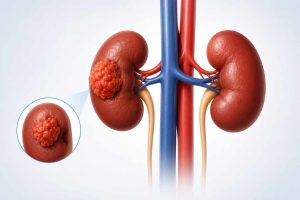
Kidney cancer is one of the most common urological cancers, yet its early signs are often subtle and easy to miss. Timely diagnosis can significantly improve treatment outcomes, making it important to recognize symptoms before the disease progresses. If you are looking for expert care, Dr. Tarun Jindal, a renowned Urologist in Kolkata and Uro Oncology Doctor in Kolkata, offers advanced treatment options, including Robotic Kidney Cancer Surgery in Kolkata.

Why Kidney Cancer Often Goes Undetected

In its early stages, kidney cancer may not cause obvious symptoms. Many cases are discovered incidentally during imaging tests performed for unrelated health concerns. As the tumor grows, however, certain warning signs may begin to appear.

Commonly Overlooked Kidney Cancer Symptoms

  1. Blood in the Urine

One of the earliest signs of kidney cancer is blood in the urine, also known as hematuria. It may appear pink, red, or brown and can come and go, making it easy to ignore.

  1. Persistent Back or Side Pain

Pain on one side of the lower back or below the ribs that does not go away may indicate an underlying kidney issue. Many people mistake this discomfort for muscle strain or age-related aches.

  1. Unexplained Fatigue

Feeling unusually tired despite adequate rest can sometimes be linked to kidney cancer. Chronic fatigue is often overlooked because it is associated with many other health conditions.

  1. Unintended Weight Loss

Losing weight without changes in diet or exercise should never be ignored. Unexpected weight loss can be a sign that the body is fighting an underlying disease.

  1. Persistent Fever

Recurring low-grade fever without an identifiable infection may be associated with kidney cancer. This symptom is frequently dismissed as a temporary illness.

  1. A Lump or Swelling

In some cases, a mass or swelling may develop in the abdomen or side. While this is less common in early stages, it should be evaluated promptly.

When to Seek Medical Attention

If you experience any of these symptoms, especially blood in the urine or persistent side pain, consult a specialist without delay. Early diagnosis allows for more effective treatment and better preservation of kidney function.

Modern advancements such as Robotic Kidney Cancer Surgery in Kolkata offer greater precision, smaller incisions, reduced pain, and faster recovery compared to traditional surgical methods. Dr. Tarun Jindal, a trusted Urologist in Kolkata and experienced Uro Oncology Doctor in Kolkata, specializes in advanced robotic techniques for kidney cancer treatment. If you notice any warning signs, seeking timely medical advice can make a significant difference in achieving the best possible outcome.

Also read: A Urologist’s Guide to Lifestyle Changes That Can Help Reduce Kidney Cancer Risk in Kolkata

Latest Blog

Active Surveillance for…

Robotic Urological Treatment:…

Prostate Cancer Symptoms:…

Categories
Urology

Steps to Improve Your Urological Health Naturally

Steps to Improve Your Urological Health Naturally

Urological health plays a vital role in overall well-being, affecting the urinary tract, kidneys, bladder, and reproductive system. Maintaining healthy habits can reduce the risk of infections, kidney stones, and urinary discomfort. This guide explores practical, natural ways to support urological wellness through hydration, nutrition, exercise, and lifestyle adjustments that promote long-term urinary health naturally. In this blog, the Famous urologist in Kolkata explains about urological health, and discusses how to prevent this disease naturally at home. 

Stay Hydrated

Stay Hydrated for Better Urinary Function 


Proper hydration is one of the most effective ways to maintain urological health. Drinking sufficient water helps flush toxins, supports kidney function, and reduces the likelihood of urinary tract infections. Consistent hydration also lowers the risk of kidney stone formation. Limiting sugary beverages and excessive caffeine can further improve bladder health and urinary system performance.
 

Nutrition Rich Diet

Follow a Nutrient-Rich Diet for Kidney and Bladder Health 

A balanced diet supports healthy urinary and kidney function. Add vegetables, fibre, fruits, whole grains and water intake is important for essential nutrients. Foods rich in antioxidants help combat inflammation and support tissue health. Reducing sodium intake can lower kidney strain, while consuming fibre-rich foods promotes overall wellness. Healthy eating habits contribute significantly to long-term urological health. If you want to keep your bladder and kidney save from any disease, then consult the Top urologist in Kolkata, and live a healthy and peaceful life. 

Exercise

Exercise Regularly to Support Urological Wellness 

Regular physical activity benefits the urinary system by improving circulation, maintaining a healthy body weight, and reducing the risk of chronic diseases. Exercises such as walking, swimming, and cycling help strengthen overall health. Pelvic floor exercises can improve bladder control and reduce urinary issues. Consistent movement supports kidney function and promotes better urinary tract performance. 

Maintain Healthy Lifestyle Habits and Hygiene 

Good hygiene and healthy daily habits help prevent common urological problems. Practising proper personal hygiene reduces the risk of infections. Avoiding smoking and limiting alcohol consumption can protect bladder and kidney health. Make a habit of using the bathroom regularly and avoid holding in urine for longer periods, as this helps maintain optimal urinary tract function. Small lifestyle improvements can deliver substantial long-term health benefits. If you want to maintain a healthy and natural lifestyle, then contact the best Uro Oncologist in Kolkata, and keep your urological health fit and active. 

Final Verdict 

Improving urological health naturally involves consistent, sustainable habits rather than quick fixes. Intake of maximum water, eating protein-rich foods, exercising regularly, maintaining hygiene, controlling stress, and taking a power nap at night helps to contribute to a healthier urinary system. By adopting these preventive measures, people can support kidney and bladder function, reduce health risks, and enhance overall quality of life. Moreover, with good urological health your can live a healthy and sustainable lifestyle. For ongoing support and guidance in maintaining optimal urological health, consider consulting Dr Tarun Jindal, a leading urologist in Kolkata, and keep a healthy urological health. 

Description: To keep your urological problems away, you can consult the Top urologist in Kolkata, and live a healthy and sustainable lifestyle. 

Also Read: Dos and Don’ts for Better Urological Health 

Latest Blog

Active Surveillance for…

Robotic Urological Treatment:…

Prostate Cancer Symptoms:…

Categories
Urology

Can Young Adults Develop Bladder Cancer? Insights from a Bladder Cancer Doctor in Kolkata

Can Young Adults Develop Bladder Cancer

When people think of bladder cancer, they often associate it with older adults. However, while it is less common, young adults can also develop this condition. Consulting a Bladder Cancer Doctor in Kolkata, or a qualified Urologist in Kolkata is essential if symptoms suggest a possible urinary tract problem. Early diagnosis can significantly improve treatment outcomes, regardless of age. 

Is Bladder Cancer Common in Young Adults? 

Bladder cancer is most frequently diagnosed in individuals over the age of 55. Nevertheless, younger adults and, in rare cases, even teenagers can develop the disease. Although the incidence is lower in younger populations, the possibility should not be overlooked, especially when warning signs are present. 

Studies suggest that bladder cancer diagnosed in younger patients is often detected at an earlier stage, which may contribute to better treatment outcomes. However, delayed diagnosis can still occur because symptoms are sometimes mistaken for less serious conditions. 

Bladder Cancer

Risk Factors for Bladder Cancer in Young Adults 

Several factors may increase the likelihood of developing bladder cancer at a younger age: 

Smoking: Smoking remains one of the leading causes of bladder cancer. Harmful chemicals in tobacco are filtered by the kidneys and stored in the bladder, where they can damage its lining over time. 

Exposure to Chemicals: Individuals working in industries involving dyes, paints, rubber, leather, and certain chemicals may face a higher risk due to prolonged exposure to carcinogens. 

Family History: A family history of bladder cancer may increase susceptibility, particularly when genetic factors are involved. 

Chronic Bladder Irritation: Repeated urinary tract infections, chronic inflammation, or long-term bladder irritation may contribute to an elevated risk. 

Environmental Factors: Exposure to contaminated water or harmful environmental toxins may also play a role in some cases. 

Symptoms to Watch For 

Young adults should not ignore symptoms such as: 

  • Blood in the urine (hematuria) 
  • Frequent urination 
  • Pain or burning during urination 
  • Urgency to urinate 
  • Lower abdominal or pelvic pain 

Even if these symptoms seem mild, medical evaluation is important to rule out serious conditions. 

Can Bladder Cancer Be Prevented? 

While not all cases are preventable, certain lifestyle changes can help reduce risk – 

  • Avoid smoking and tobacco products 
  • Stay well hydrated 
  • Follow workplace safety guidelines when handling chemicals 
  • Maintain a healthy diet rich in fruits and vegetables 
  • Seek prompt treatment for urinary tract infections and bladder issues 

Although bladder cancer is more commonly seen in older adults, young adults are not completely immune to the disease. Recognizing risk factors and symptoms early can make a significant difference in treatment success. If you notice persistent urinary symptoms, consult a Bladder Cancer Doctor in Kolkata, a trusted Uro Oncology Doctor in Kolkata, or an experienced Urologist in Kolkata for proper evaluation and guidance. However, early detection remains one of the most effective tools in the fight against bladder cancer. 


Also read: Bladder Cancer in Non-Smokers: Hidden Risk Factors Shared by a Urologist in Kolkata 

Latest Blog

Active Surveillance for…

Robotic Urological Treatment:…

Prostate Cancer Symptoms:…