

Tag: Top urologist in Kolkata

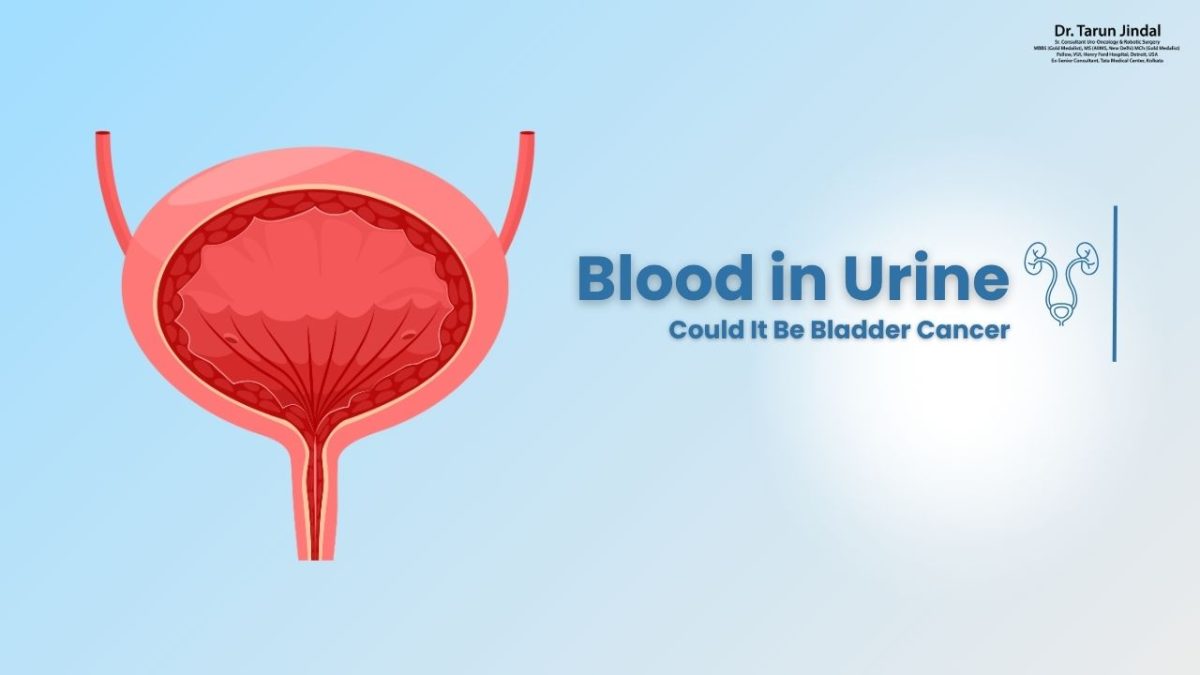
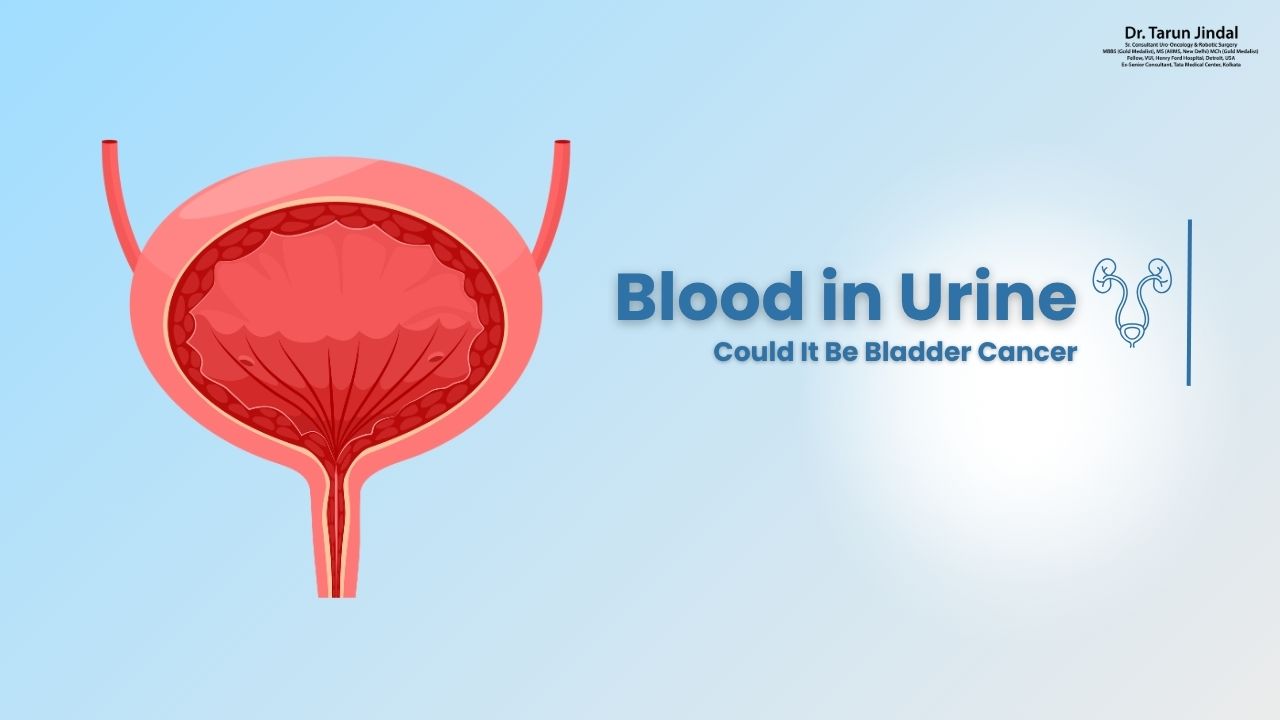
Finding blood in your urine can be alarming, but it should never be ignored. While there are several possible causes, one of the most serious is bladder cancer. Early diagnosis can make a significant difference in treatment outcomes, making it essential to consult a Bladder Cancer Doctor in Kolkata as soon as you notice this symptom. Dr. Tarun Jindal, a Top Urologist and experienced Uro Oncology Doctor in Kolkata, specializes in the diagnosis and treatment of bladder cancer using advanced and patient-focused approaches.
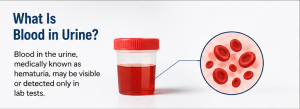
What Is Blood in Urine?
Blood in the urine, medically known as hematuria, may be visible to the naked eye (gross hematuria) or detected only during laboratory tests (microscopic hematuria). Even if the bleeding occurs only once and disappears, it should always be evaluated by a urology specialist.

Is Blood in Urine Always a Sign of Bladder Cancer?
No. Blood in the urine can result from several conditions, including:
- Urinary tract infections (UTIs)
- Kidney stones
- Enlarged prostate
- Kidney infections
- Vigorous physical activity
- Certain medications
However, painless blood in the urine is one of the most common early signs of bladder cancer. Ignoring it may delay diagnosis and treatment.
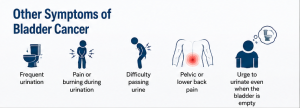
Other Symptoms of Bladder Cancer
In addition to blood in the urine, bladder cancer may present with:
- Frequent urination
- Pain or burning during urination
- Difficulty passing urine
- Pelvic or lower back pain
- Feeling the urge to urinate even when the bladder is empty
If these symptoms persist, consult a urologist without delay.

Who Is at Higher Risk?
Several factors increase the risk of developing bladder cancer, including:
- Smoking and tobacco use
- Increasing age
- Exposure to industrial chemicals
- Chronic bladder irritation or infections
- Family history of bladder cancer
Understanding your risk factors can help with early detection and timely treatment.

How Is Bladder Cancer Diagnosed?
A urologist may recommend one or more of the following investigations:
- Urine analysis and urine cytology
- Ultrasound or CT scan
- Cystoscopy to examine the bladder lining
- Biopsy for confirmation
These tests help determine whether blood in the urine is due to bladder cancer or another condition.

Treatment Options
The treatment plan depends on the stage and grade of the cancer. Common options include:
- Transurethral Resection of Bladder Tumour (TURBT)
- Intravesical therapy
- Surgery
- Chemotherapy
- Immunotherapy
- Advanced treatment for invasive bladder cancer
Early-stage bladder cancer often responds very well to timely treatment, highlighting the importance of early diagnosis.

Don’t Ignore the Warning Sign
Blood in the urine is never a symptom to overlook. Although it may be caused by a minor condition, it could also indicate bladder cancer. Early evaluation offers the best chance for successful treatment and recovery.
So, if you notice blood in your urine or experience persistent urinary symptoms, consult Dr. Tarun Jindal, a trusted Bladder Cancer Doctor in Kolkata. Remember, timely diagnosis, expert care, and advanced treatment from a urologist can make all the difference in protecting your urinary health.
Also read: Can Young Adults Develop Bladder Cancer? Insights from a Bladder Cancer Doctor in Kolkata


Urological diseases affect millions of people, yet they remain surrounded by misconceptions that often delay timely diagnosis and treatment. Whether it is frequent urination, kidney stones, urinary infections, or urological cancers, believing myths instead of facts can have serious consequences. Consulting an experienced Urologist in Kolkata at the right time can help prevent complications and improve treatment outcomes. Dr. Tarun Jindal, a Top Urologist and trusted Uro Oncology Doctor in Kolkata, believes that awareness is the first step toward better urinary health.

Myth 1: Only Elderly Men Suffer from Urological Diseases
Fact: While certain conditions like an enlarged prostate are more common with age, urological disorders can affect people of all ages and genders. Women frequently experience urinary tract infections and urinary incontinence, while younger individuals may develop kidney stones or congenital urinary problems.

Myth 2: Blood in Urine Is Normal If It Happens Once
Fact: Blood in the urine should never be ignored, even if it appears only once. It may indicate an infection, kidney stones, or, in some cases, bladder or kidney cancer. Prompt evaluation by a specialist is essential for identifying the underlying cause.
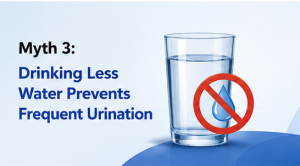
Myth 3: Drinking Less Water Prevents Frequent Urination
Fact: Reducing water intake may actually worsen urinary health. Dehydration increases the risk of kidney stones and urinary tract infections. Staying adequately hydrated supports healthy kidney function and helps flush bacteria from the urinary system.
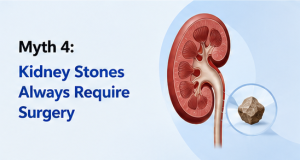
Myth 4: Kidney Stones Always Require Surgery
Fact: Not every kidney stone needs surgical removal. Smaller stones often pass naturally with medication and increased fluid intake. Larger or complicated stones may require advanced treatments such as laser procedures or minimally invasive surgery, depending on the patient’s condition.

Myth 5: Prostate Problems Always Mean Cancer
Fact: Many prostate conditions, including benign enlargement and prostatitis, are non-cancerous. However, similar symptoms can also occur in prostate cancer, making early screening and specialist consultation important for accurate diagnosis.

Myth 6: Urological Cancers Have No Early Symptoms
Fact: Many urological cancers present early warning signs such as blood in urine, persistent urinary symptoms, unexplained weight loss, or pain in the lower back. Ignoring these symptoms can delay treatment and reduce the chances of successful recovery.
Why Early Diagnosis Matters
Modern diagnostic techniques and minimally invasive treatments have significantly improved outcomes for patients with urological disorders. Seeking medical advice early not only prevents complications but also allows conditions such as kidney, bladder, and prostate cancers to be treated more effectively.
Separating myths from facts can make a significant difference in maintaining urinary health. If you notice persistent urinary symptoms, blood in your urine, or any unusual discomfort, don’t rely on misconceptions or self-medication. Consult Dr. Tarun Jindal, a Top Urologist and experienced Uro Oncology Doctor in Kolkata, for expert diagnosis and advanced treatment. Choosing the right Urologist in Kolkata ensures timely care, accurate diagnosis, and the best possible outcomes for your long-term health.
Also read: The Role of Urological Health in Achieving Optimal Well-being: What You Need to Know


Frequent urination is a common problem that can affect people of all ages. While drinking more fluids or consuming caffeine may increase the need to urinate, persistent urinary frequency could signal an underlying health concern. If you are experiencing this symptom regularly, consulting a qualified Urologist in Kolkata is highly essential for timely diagnosis and treatment. Dr. Tarun Jindal, recognized as a Top Urologist and experienced Uro Oncology Doctor in Kolkata, specializes in managing a wide range of urological conditions.
What Is Considered Frequent Urination?
Frequent urination refers to the need to pass urine more often than usual, often disrupting daily activities or sleep. While occasional changes in urinary habits are normal, a sudden or persistent increase in frequency should not be ignored.
Common Causes of Frequent Urination
- Urinary Tract Infection (UTI)
UTIs can irritate the bladder and urinary tract, causing a frequent urge to urinate along with burning, discomfort, and cloudy urine.
- Enlarged Prostate
In men, an enlarged prostate can press against the urethra, making it difficult to empty the bladder completely. This often results in frequent urination, especially at night.
- Overactive Bladder
An overactive bladder causes sudden and uncontrollable urges to urinate, even when the bladder is not full.
- Kidney Stones
Kidney stones can irritate the urinary tract and lead to increased urinary frequency, pain, and discomfort.
- Bladder or Kidney Cancer
Although less common, frequent urination can sometimes be a warning sign of serious conditions such as bladder or kidney cancer. Additional symptoms may include blood in the urine, unexplained weight loss, or persistent pelvic pain.
When Should You See a Specialist?
You should seek medical attention if frequent urination is accompanied by:
- Blood in the urine
- Pain or burning during urination
- Difficulty passing urine
- Lower abdominal or back pain
- Unexplained weight loss
- Persistent nighttime urination
Early evaluation can help identify the underlying cause and prevent complications.
The Importance of Early Diagnosis
Many urological conditions respond better to treatment when detected early. Advanced diagnostic tools and minimally invasive treatment options have made managing urinary disorders more effective than ever before. Whether the cause is an infection, prostate enlargement, kidney stones, or a more complex condition, prompt medical assessment is crucial.
If frequent urination is affecting your quality of life, do not ignore the symptoms. Dr. Tarun Jindal, a trusted Urologist and an experienced Uro Oncology Doctor in Kolkata, provides comprehensive evaluation and personalized treatment for a wide range of urological disorders. Early consultation can help ensure better outcomes and long-term urinary health.
Also read: The Connection Between Water Intake and Improved Urological Health


Kidney cancer is one of the most common urological cancers, yet its early signs are often subtle and easy to miss. Timely diagnosis can significantly improve treatment outcomes, making it important to recognize symptoms before the disease progresses. If you are looking for expert care, Dr. Tarun Jindal, a renowned Urologist in Kolkata and Uro Oncology Doctor in Kolkata, offers advanced treatment options, including Robotic Kidney Cancer Surgery in Kolkata.
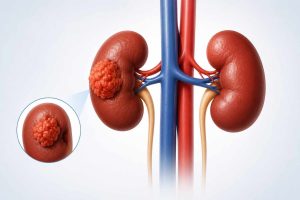
Why Kidney Cancer Often Goes Undetected
In its early stages, kidney cancer may not cause obvious symptoms. Many cases are discovered incidentally during imaging tests performed for unrelated health concerns. As the tumor grows, however, certain warning signs may begin to appear.
Commonly Overlooked Kidney Cancer Symptoms
- Blood in the Urine
One of the earliest signs of kidney cancer is blood in the urine, also known as hematuria. It may appear pink, red, or brown and can come and go, making it easy to ignore.
- Persistent Back or Side Pain
Pain on one side of the lower back or below the ribs that does not go away may indicate an underlying kidney issue. Many people mistake this discomfort for muscle strain or age-related aches.
- Unexplained Fatigue
Feeling unusually tired despite adequate rest can sometimes be linked to kidney cancer. Chronic fatigue is often overlooked because it is associated with many other health conditions.
- Unintended Weight Loss
Losing weight without changes in diet or exercise should never be ignored. Unexpected weight loss can be a sign that the body is fighting an underlying disease.
- Persistent Fever
Recurring low-grade fever without an identifiable infection may be associated with kidney cancer. This symptom is frequently dismissed as a temporary illness.
- A Lump or Swelling
In some cases, a mass or swelling may develop in the abdomen or side. While this is less common in early stages, it should be evaluated promptly.
When to Seek Medical Attention
If you experience any of these symptoms, especially blood in the urine or persistent side pain, consult a specialist without delay. Early diagnosis allows for more effective treatment and better preservation of kidney function.
Modern advancements such as Robotic Kidney Cancer Surgery in Kolkata offer greater precision, smaller incisions, reduced pain, and faster recovery compared to traditional surgical methods. Dr. Tarun Jindal, a trusted Urologist in Kolkata and experienced Uro Oncology Doctor in Kolkata, specializes in advanced robotic techniques for kidney cancer treatment. If you notice any warning signs, seeking timely medical advice can make a significant difference in achieving the best possible outcome.
Also read: A Urologist’s Guide to Lifestyle Changes That Can Help Reduce Kidney Cancer Risk in Kolkata


Urological health plays a vital role in overall well-being, affecting the urinary tract, kidneys, bladder, and reproductive system. Maintaining healthy habits can reduce the risk of infections, kidney stones, and urinary discomfort. This guide explores practical, natural ways to support urological wellness through hydration, nutrition, exercise, and lifestyle adjustments that promote long-term urinary health naturally. In this blog, the Famous urologist in Kolkata explains about urological health, and discusses how to prevent this disease naturally at home.

Stay Hydrated for Better Urinary Function
Proper hydration is one of the most effective ways to maintain urological health. Drinking sufficient water helps flush toxins, supports kidney function, and reduces the likelihood of urinary tract infections. Consistent hydration also lowers the risk of kidney stone formation. Limiting sugary beverages and excessive caffeine can further improve bladder health and urinary system performance.

Follow a Nutrient-Rich Diet for Kidney and Bladder Health
A balanced diet supports healthy urinary and kidney function. Add vegetables, fibre, fruits, whole grains and water intake is important for essential nutrients. Foods rich in antioxidants help combat inflammation and support tissue health. Reducing sodium intake can lower kidney strain, while consuming fibre-rich foods promotes overall wellness. Healthy eating habits contribute significantly to long-term urological health. If you want to keep your bladder and kidney save from any disease, then consult the Top urologist in Kolkata, and live a healthy and peaceful life.

Exercise Regularly to Support Urological Wellness
Regular physical activity benefits the urinary system by improving circulation, maintaining a healthy body weight, and reducing the risk of chronic diseases. Exercises such as walking, swimming, and cycling help strengthen overall health. Pelvic floor exercises can improve bladder control and reduce urinary issues. Consistent movement supports kidney function and promotes better urinary tract performance.
Maintain Healthy Lifestyle Habits and Hygiene
Good hygiene and healthy daily habits help prevent common urological problems. Practising proper personal hygiene reduces the risk of infections. Avoiding smoking and limiting alcohol consumption can protect bladder and kidney health. Make a habit of using the bathroom regularly and avoid holding in urine for longer periods, as this helps maintain optimal urinary tract function. Small lifestyle improvements can deliver substantial long-term health benefits. If you want to maintain a healthy and natural lifestyle, then contact the best Uro Oncologist in Kolkata, and keep your urological health fit and active.
Final Verdict
Improving urological health naturally involves consistent, sustainable habits rather than quick fixes. Intake of maximum water, eating protein-rich foods, exercising regularly, maintaining hygiene, controlling stress, and taking a power nap at night helps to contribute to a healthier urinary system. By adopting these preventive measures, people can support kidney and bladder function, reduce health risks, and enhance overall quality of life. Moreover, with good urological health your can live a healthy and sustainable lifestyle. For ongoing support and guidance in maintaining optimal urological health, consider consulting Dr Tarun Jindal, a leading urologist in Kolkata, and keep a healthy urological health.
Description: To keep your urological problems away, you can consult the Top urologist in Kolkata, and live a healthy and sustainable lifestyle.
Also Read: Dos and Don’ts for Better Urological Health


When people think of bladder cancer, they often associate it with older adults. However, while it is less common, young adults can also develop this condition. Consulting a Bladder Cancer Doctor in Kolkata, or a qualified Urologist in Kolkata is essential if symptoms suggest a possible urinary tract problem. Early diagnosis can significantly improve treatment outcomes, regardless of age.
Is Bladder Cancer Common in Young Adults?
Bladder cancer is most frequently diagnosed in individuals over the age of 55. Nevertheless, younger adults and, in rare cases, even teenagers can develop the disease. Although the incidence is lower in younger populations, the possibility should not be overlooked, especially when warning signs are present.
Studies suggest that bladder cancer diagnosed in younger patients is often detected at an earlier stage, which may contribute to better treatment outcomes. However, delayed diagnosis can still occur because symptoms are sometimes mistaken for less serious conditions.

Risk Factors for Bladder Cancer in Young Adults
Several factors may increase the likelihood of developing bladder cancer at a younger age:
Smoking: Smoking remains one of the leading causes of bladder cancer. Harmful chemicals in tobacco are filtered by the kidneys and stored in the bladder, where they can damage its lining over time.
Exposure to Chemicals: Individuals working in industries involving dyes, paints, rubber, leather, and certain chemicals may face a higher risk due to prolonged exposure to carcinogens.
Family History: A family history of bladder cancer may increase susceptibility, particularly when genetic factors are involved.
Chronic Bladder Irritation: Repeated urinary tract infections, chronic inflammation, or long-term bladder irritation may contribute to an elevated risk.
Environmental Factors: Exposure to contaminated water or harmful environmental toxins may also play a role in some cases.
Symptoms to Watch For
Young adults should not ignore symptoms such as:
- Blood in the urine (hematuria)
- Frequent urination
- Pain or burning during urination
- Urgency to urinate
- Lower abdominal or pelvic pain
Even if these symptoms seem mild, medical evaluation is important to rule out serious conditions.
Can Bladder Cancer Be Prevented?
While not all cases are preventable, certain lifestyle changes can help reduce risk –
- Avoid smoking and tobacco products
- Stay well hydrated
- Follow workplace safety guidelines when handling chemicals
- Maintain a healthy diet rich in fruits and vegetables
- Seek prompt treatment for urinary tract infections and bladder issues
Although bladder cancer is more commonly seen in older adults, young adults are not completely immune to the disease. Recognizing risk factors and symptoms early can make a significant difference in treatment success. If you notice persistent urinary symptoms, consult a Bladder Cancer Doctor in Kolkata, a trusted Uro Oncology Doctor in Kolkata, or an experienced Urologist in Kolkata for proper evaluation and guidance. However, early detection remains one of the most effective tools in the fight against bladder cancer.
Also read: Bladder Cancer in Non-Smokers: Hidden Risk Factors Shared by a Urologist in Kolkata

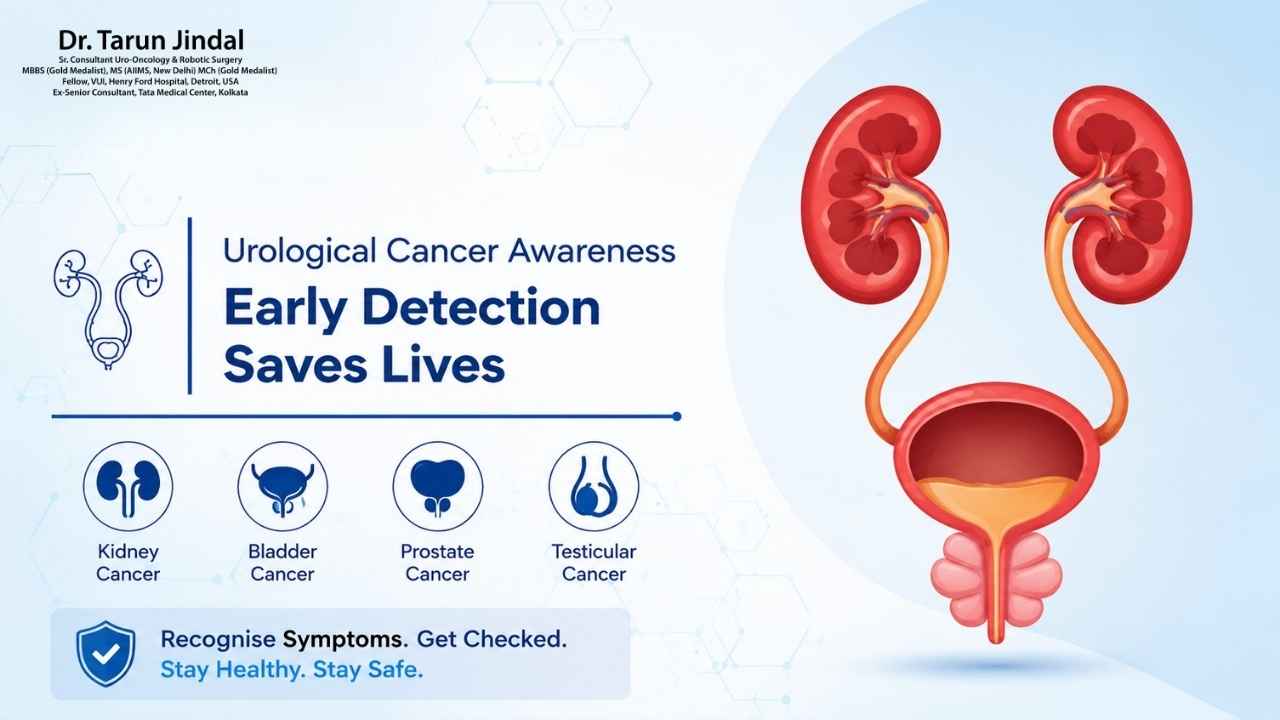
Urological cancers are increasing day by day due to imbalanced lifestyle changes, tobacco use, pollution exposure, and delayed health checkups among adults today. Awareness helps people recognise early symptoms, seek timely medical support, and improve treatment success rates significantly. Kidney, bladder, prostate, and testicular cancers require faster diagnosis. Early detection through screenings, medical consultations, and healthier habits can save lives effectively across Kolkata communities. In this blog, the best Robotic Uro Cancer Specialist in Kolkata will speak about urological cancer and its early prevention.
Common Types of Urological Cancers Affecting Kolkata Residents
Urological cancers mainly include prostate cancer, kidney cancer, bladder cancer, and testicular cancer, affecting men and women across Kolkata annually today. Prostate cancer commonly impacts older men, while bladder cancer is usually linked with smoking and chemical exposure. Kidney cancer symptoms may remain hidden initially. Understanding different cancer types helps residents identify warning signs and seek faster treatment from experienced specialists locally.
Early Warning Signs You Should Never Ignore
Early detection becomes easier when people recognise warning symptoms associated with urological cancers before conditions become severe or life-threatening later. Common signs include blood in urine, difficulty urinating, lower abdominal pain, unexplained weight loss, frequent urination, or persistent fatigue. Kolkata residents experiencing these symptoms should consult urologists immediately because delayed diagnosis usually reduces treatment effectiveness and recovery opportunities significantly. If you want to know about your urological health, then visit the best Robotic Uro Cancer Surgery clinic in Kolkata, and know about your urological health.
Risk Factors Increasing Urological Cancer Cases in Kolkata
Several lifestyle and environmental factors contribute to rising urological cancer cases among Kolkata residents across different age groups every year. Smoking, alcohol consumption, obesity, poor dietary habits, industrial pollution, and family history increase cancer risks considerably. Sedentary lifestyles and unmanaged diabetes also create health complications. Reducing harmful habits and maintaining regular health screenings can improve long-term prevention and overall well-being significantly.
Conclusion
Increasing urological cancer awareness in Kolkata encourages people to be alert to preventive healthcare, recognise symptoms early, and seek quick medical support. People’s awareness through campaigns, healthier lifestyles, regular screenings, and timely consultations can reduce complications and improve survival rates significantly. Families should go to the clinic for an open healthcare discussion without any second thoughts, and remove the complication from their body, which can cause you an urological cancer or any major health issues. To learn more about urological health, you can contact Dr Tarun Jindal, the best Robotic Uro Cancer Specialist in Kolkata, and resolve your urological problems.
Urological health is an important part of overall wellness that many people usually ignore until symptoms appear. The urinary system helps remove toxins, maintain fluid balance, and support healthy body functions every day. Problems affecting the kidneys, bladder, or urinary tract can cause physical discomfort, affect emotional well-being, and affect daily activities. Knowing about urological health helps you to recover from your urological issues faster. Moreover, the understanding of urological health helps you to choice the long-term life. In this blog, the best Uro Oncology Doctor in Kolkata will tell you how you can achieve optimal urological health for a better lifestyle.
Understanding Urological Health and Its Importance
Urological health focuses on the condition and proper functioning of the urinary system and male reproductive organs. The kidneys filter waste from the blood, while the bladder stores urine before removal from the body. When these organs work efficiently, the body remains balanced and healthy. Poor urological health may cause discomfort, infections, or long-term complications. Maintaining awareness helps people identify problems early and protect their overall physical well-being.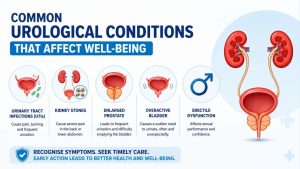
Common Urological Conditions That Affect Well-being
Many people experience urological conditions at different stages of life. Urinary tract infections, kidney stones, enlarged prostate glands, bladder weakness, and erectile dysfunction are among the most common concerns. These conditions can create pain, stress, sleep disturbances, and reduced confidence. Symptoms such as burning urination, blood in urine, frequent bathroom visits, or pelvic discomfort should never be ignored. Timely medical attention can prevent complications and improve recovery outcomes significantly. If you want a healthy lifestyle, then quickly contact the best uro-oncologist in Kolkata, and cure your urological problems.
Lifestyle Habits That Support Better Urological Health
Simple daily habits can greatly improve urinary and reproductive health. Drinking enough water supports kidney function and helps flush harmful bacteria from the urinary tract. Eating nutritious foods, reducing salt intake, exercising regularly, and maintaining a healthy body weight also contribute positively. Avoiding smoking and limiting alcohol consumption can lower health risks further. Proper hygiene, good sleep, and stress management strengthen the body and support healthier urological system performance naturally.
Conclusion
Good urological health is essential for maintaining comfort, confidence, and overall quality of life. Paying attention to symptoms, practising healthy habits, attending regular medical visits, and seeking doctor advice when necessary can prevent many serious conditions. Awareness and preventive care encourage a better lifestyle and a long-term, healthier approach. By prioritising urological wellness, people can support stronger physical health, emotional balance and a better lifestyle. If you want to check your urological health from the best doctor, then consult with Dr Tarun Jindal, the best prostate cancer Doctor in Kolkata, and improve your urological health.
Also Read: 5 Lesser-Known Facts About Urological Cancers – Learn from a Uro Oncologist in Kolkata