


Dr Tarun Jindal

Categories
Urology

Navigating Post-Surgery: Common Complications Following Bladder Cancer Treatment

Bladder Cancer Treatment

Bladder cancer surgery plays a very important role in removing cancerous tissue and protecting long-term health. While the process of this surgery is a big milestone in itself, the process of recovery doesn’t end after the hospital leaves. There are a lot more physical challenges that you might face after the surgery. Knowing what to expect after surgery helps patients feel more confident and prepared. Many of the post-surgical issues are very casual and manageable with timely care, and having medicine on time. In this blog, the best Urologist in Kolkata will discuss the post-complications of bladder cancer, and also say how to get a quick recovery from that.
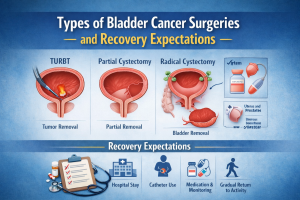
Types of Bladder Cancer Surgeries and Recovery Expectations

Types of Bladder Cancer Surgeries and Recovery Expectations

Recovery experiences vary depending on the type of bladder cancer surgery performed. Transurethral Resection of Bladder Tumor (TURBT) is a minimally invasive procedure that typically involves a shorter recovery period. Partial cystectomy removes only a section of the bladder, while radical cystectomy involves complete bladder removal and urinary diversion. Hospital stays, rehabilitation needs, and lifestyle changes differ with each procedure, making personalized recovery plans essential.

Urinary Complications After Surgery

Changes in urinary function are common following bladder cancer treatment. Patients may notice increased frequency, urgency, leakage, or difficulty emptying the bladder completely. Those with catheters may experience discomfort, irritation, or mild pain initially. While many urinary symptoms improve over time, persistent pain, blood in urine, or inability to urinate should never be ignored and require immediate medical evaluation. To experience the best class treatment of the urinary section, you can consult with the well-known Robotic Urological Surgeon in Kolkata, and resolve your urinary problem quickly and effectively.

Infection and Wound-Healing Challenges

Surgery increases the risk of infections, particularly urinary tract infections and wound-related issues. Warning signs include fever, increasing pain, redness around the surgical site, swelling, or unusual discharge. Maintaining proper hygiene, following catheter care instructions, and keeping wounds clean are critical. Early detection and prompt treatment help prevent complications from becoming serious or life-threatening.
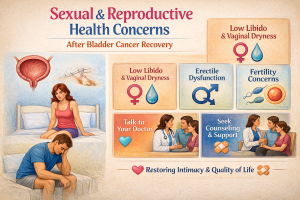
Sexual and Reproductive Health Concerns

Sexual and Reproductive Health Concerns

Bladder Cancer Doctor in Kolkata says surgery can affect sexual health in both men and women. Some patients experience erectile dysfunction, reduced libido, or vaginal dryness. Beyond physical changes, emotional concerns about intimacy and body image are common. Open communication with healthcare providers enables access to treatments, counseling, and supportive therapies that help patients regain confidence and enhance their quality of life.

Final Verdict

Severe pain, high fever, sudden urinary changes, or signs of infection require immediate medical attention. Regular follow-ups help track recovery and detect concerns early. Early care and timely visits to the doctor can manage these sorts of post-complications of bladder treatment. Mostly, having a good diet and a healthy lifestyle can help recover from these post-surgery problems very quickly. To feel an instant relief from your bladder issues, you can come to Dr. Tarun Jindal‘s clinic, who is known as the best Bladder Cancer Doctor in Kolkata. So, come to his clinic and cure your bladder problems and lead a healthy life.

Also Read: Dos and Don’ts for Better Urological Health

Latest Blog

Winter Dehydration and…

Navigating Post-Surgery: Common…

Why Proper Hydration…

Categories
Urology

Top Risk Factors for Bladder Cancer – Insights from a Leading Urologist in Kolkata

Top Risk Factors for Bladder Cancer – Insights from a Leading Urologist in Kolkata

Bladder cancer is one of the most common urological cancers, and identifying its risk factors early is crucial for timely diagnosis and treatment. According to Dr. Tarun Jindal, a renowned urologist in Kolkata, understanding what increases your risk can help you take preventive action and seek medical advice when necessary.

Here are some of the most important risk factors to be aware of –

1. Smoking
Smoking is the biggest risk factor for bladder cancer. The harmful chemicals in tobacco are absorbed into the bloodstream, filtered by the kidneys, and stored in the bladder. Over time, these toxins can damage the bladder lining and trigger cancerous changes.

2. Occupational Exposure
Individuals working in industries such as dye manufacturing, rubber, leather, paint, and printing are at higher risk due to long-term exposure to harmful chemicals like aromatic amines. If you work in such environments, regular check-ups with a bladder cancer doctor in Kolkata, like Dr. Jindal are recommended.


3. Chronic Bladder Infections
Repeated urinary tract infections (UTIs) or long-term bladder inflammation, especially in people who use catheters frequently, can increase the risk of bladder cancer. Chronic irritation may lead to abnormal cell growth in the bladder lining.


4. Age and Gender
Bladder cancer is more common in older adults, typically those over the age of 55. Men are also more likely to develop bladder cancer than women, although women often present with more advanced disease at diagnosis.


5. Exposure to Arsenic
Contaminated drinking water containing arsenic is another potential risk factor. While not common in urban areas, rural regions may have a higher concentration of arsenic in groundwater.


6. Family History and Genetics
Having a family history of bladder cancer may slightly increase your risk. Genetic mutations such as those affecting the NAT2 or GSTM1 genes can make some people more vulnerable to the effects of carcinogens.


7. Previous Cancer Treatments
Patients who have undergone certain cancer treatments, such as chemotherapy with cyclophosphamide or pelvic radiation therapy, are at higher risk for developing secondary bladder cancer.


8. Not Drinking Enough Fluids
Staying well-hydrated helps flush toxins out of the bladder. Low fluid intake may allow carcinogens to stay in contact with the bladder lining for longer periods, increasing cancer risk.

In a nutshell, bladder cancer risk can be influenced by lifestyle, environment, and genetics. By recognizing these factors early, individuals can take preventive steps and opt for timely screenings. If you are concerned about your risk or experiencing symptoms like blood in urine, consult Dr. Tarun Jindal, a leading urologist in Kolkata and a trusted bladder cancer doctor in Kolkata, for a proper evaluation and expert care.

Also read: Early Signs of Urological Cancers – Listen to the Top Urologist in Kolkata

Latest Blog

Winter Dehydration and…

Navigating Post-Surgery: Common…

Why Proper Hydration…

Categories
Urology

Understanding Risk Factors for Bladder Cancer by a Famous Urologist in Kolkata

Potential Risk Factors for Bladder Cancer

In recent times, bladder cancer is one of the most common urological cancers, affecting thousands of individuals worldwide. In today’s blog, Dr. Tarun Jindal, a leading urologist and a trusted bladder cancer doctor in Kolkata, highlights the key factors that can increase the risk of developing bladder cancer.

7 Major Risk Factors for Bladder Cancer

  1. Smoking

Smoking is one of the leading causes of bladder cancer. Tobacco contains harmful chemicals that are absorbed into the bloodstream and filtered by the kidneys. These chemicals can accumulate in the bladder and damage its lining over time, significantly increasing cancer risk.

  1. Exposure to Chemicals

Occupational exposure to certain industrial chemicals, such as those used in the production of dyes, rubber, and leather, is often linked to a higher risk of bladder cancer. In fact, prolonged contact with arsenic in drinking water or workplace toxins can also pose a significant threat.

  1. Chronic Bladder Irritation

Recurrent urinary tract infections (UTIs), bladder stones, and long-term catheter use can lead to chronic bladder inflammation. This persistent irritation may increase the risk of cancerous cell changes in the bladder lining.

  1. Family History and Genetic Predisposition

Individuals with a family history of bladder cancer or inherited genetic mutations are at higher risk. If a close relative has been diagnosed with bladder cancer, regular screenings with a bladder cancer doctor in Kolkata are essential for early detection.

  1. Age and Gender

Bladder cancer is more common in older adults, particularly those over 55. Additionally, men are at a higher risk than women due to a combination of lifestyle and biological factors.

  1. Certain Medications and Treatments

Prolonged use of certain medications, such as pioglitazone (used for diabetes), and exposure to radiation therapy near the pelvic area can increase the risk of bladder cancer. However, discussing your medical history with a trusted urologist can help identify these risks.

  1. Diet and Lifestyle Choices

A diet lacking fresh fruits and green vegetables, combined with excessive alcohol consumption, can weaken the body’s natural defenses against bladder cancer. Therefore, adopting a healthy lifestyle is truly vital for long-term urological health.

To conclude, understanding the potential risk factors for bladder cancer is essential to take preventive measures and seek timely medical advice. Dr. Tarun Jindal, a famous urologist in Kolkata, recommends regular check-ups, especially for those with high-risk factors. Early diagnosis and treatment by an experienced bladder cancer doctor in Kolkata can make all the difference in achieving successful outcomes.


Description: Learn about the potential risk factors for bladder cancer from Dr. Tarun Jindal, a trusted bladder cancer doctor in Kolkata. Get expert advice for early detection and prevention.

Also read: https://drtarunjindal.com/what-are-the-effective-ways-to-address-bladder-problems/

Latest Blog

Winter Dehydration and…

Navigating Post-Surgery: Common…

Why Proper Hydration…