

Dr Tarun Jindal

Categories
Urology

Blood in Urine: Could It Be Bladder Cancer? – Listen to the Top Urologist in Kolkata

Blood in Urine

Finding blood in your urine can be alarming, but it should never be ignored. While there are several possible causes, one of the most serious is bladder cancer. Early diagnosis can make a significant difference in treatment outcomes, making it essential to consult a Bladder Cancer Doctor in Kolkata as soon as you notice this symptom. Dr. Tarun Jindal, a Top Urologist and experienced Uro Oncology Doctor in Kolkata, specializes in the diagnosis and treatment of bladder cancer using advanced and patient-focused approaches.

What Is Blood in Urine?

What Is Blood in Urine?

Blood in the urine, medically known as hematuria, may be visible to the naked eye (gross hematuria) or detected only during laboratory tests (microscopic hematuria). Even if the bleeding occurs only once and disappears, it should always be evaluated by a urology specialist.

Is Blood in Urine Always a Sign of Bladder Cancer?

Is Blood in Urine Always a Sign of Bladder Cancer?

No. Blood in the urine can result from several conditions, including:

  • Urinary tract infections (UTIs)
  • Kidney stones
  • Enlarged prostate
  • Kidney infections
  • Vigorous physical activity
  • Certain medications

However, painless blood in the urine is one of the most common early signs of bladder cancer. Ignoring it may delay diagnosis and treatment.

Other Symptoms of Bladder Cancer

Other Symptoms of Bladder Cancer

In addition to blood in the urine, bladder cancer may present with:

  • Frequent urination
  • Pain or burning during urination
  • Difficulty passing urine
  • Pelvic or lower back pain
  • Feeling the urge to urinate even when the bladder is empty

If these symptoms persist, consult a urologist without delay.

Who Is at Higher Risk?

Who Is at Higher Risk?

Several factors increase the risk of developing bladder cancer, including:

  • Smoking and tobacco use
  • Increasing age
  • Exposure to industrial chemicals
  • Chronic bladder irritation or infections
  • Family history of bladder cancer

Understanding your risk factors can help with early detection and timely treatment.

How Is Bladder Cancer Diagnosed?

How Is Bladder Cancer Diagnosed?

A urologist may recommend one or more of the following investigations:

  • Urine analysis and urine cytology
  • Ultrasound or CT scan
  • Cystoscopy to examine the bladder lining
  • Biopsy for confirmation

These tests help determine whether blood in the urine is due to bladder cancer or another condition.

Treatment Options

Treatment Options

The treatment plan depends on the stage and grade of the cancer. Common options include:

  • Transurethral Resection of Bladder Tumour (TURBT)
  • Intravesical therapy
  • Surgery
  • Chemotherapy
  • Immunotherapy
  • Advanced treatment for invasive bladder cancer

Early-stage bladder cancer often responds very well to timely treatment, highlighting the importance of early diagnosis.

Don't Ignore the Warning Sign

Don’t Ignore the Warning Sign

Blood in the urine is never a symptom to overlook. Although it may be caused by a minor condition, it could also indicate bladder cancer. Early evaluation offers the best chance for successful treatment and recovery.

So, if you notice blood in your urine or experience persistent urinary symptoms, consult Dr. Tarun Jindal, a trusted Bladder Cancer Doctor in Kolkata. Remember, timely diagnosis, expert care, and advanced treatment from a urologist can make all the difference in protecting your urinary health.

Also read: Can Young Adults Develop Bladder Cancer? Insights from a Bladder Cancer Doctor in Kolkata


 

Latest Blog

Prostate Cancer Recurrence:…

Blood in Urine:…

Myths and Facts…

Categories
Urology

Myths and Facts About Urological Diseases – Insights from a Urologist in Kolkata

Myths and Facts About Urological Diseases

Urological diseases affect millions of people, yet they remain surrounded by misconceptions that often delay timely diagnosis and treatment. Whether it is frequent urination, kidney stones, urinary infections, or urological cancers, believing myths instead of facts can have serious consequences. Consulting an experienced Urologist in Kolkata at the right time can help prevent complications and improve treatment outcomes. Dr. Tarun Jindal, a Top Urologist and trusted Uro Oncology Doctor in Kolkata, believes that awareness is the first step toward better urinary health.

     Only Elderly Men Suffer from Urological Diseases

Myth 1: Only Elderly Men Suffer from Urological Diseases

Fact: While certain conditions like an enlarged prostate are more common with age, urological disorders can affect people of all ages and genders. Women frequently experience urinary tract infections and urinary incontinence, while younger individuals may develop kidney stones or congenital urinary problems.

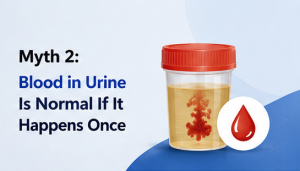
Myth 2: Blood in Urine Is Normal If It Happens Once

Fact: Blood in the urine should never be ignored, even if it appears only once. It may indicate an infection, kidney stones, or, in some cases, bladder or kidney cancer. Prompt evaluation by a specialist is essential for identifying the underlying cause.

Myth 3: Drinking Less Water Prevents Frequent Urination

Fact: Reducing water intake may actually worsen urinary health. Dehydration increases the risk of kidney stones and urinary tract infections. Staying adequately hydrated supports healthy kidney function and helps flush bacteria from the urinary system.

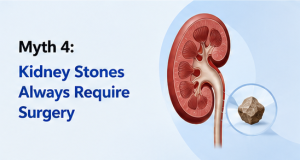
Myth 4: Kidney Stones Always Require Surgery

Fact: Not every kidney stone needs surgical removal. Smaller stones often pass naturally with medication and increased fluid intake. Larger or complicated stones may require advanced treatments such as laser procedures or minimally invasive surgery, depending on the patient’s condition.

Myth 5: Prostate Problems Always Mean Cancer

Fact: Many prostate conditions, including benign enlargement and prostatitis, are non-cancerous. However, similar symptoms can also occur in prostate cancer, making early screening and specialist consultation important for accurate diagnosis.

Myth 6: Urological Cancers Have No Early Symptoms

Fact: Many urological cancers present early warning signs such as blood in urine, persistent urinary symptoms, unexplained weight loss, or pain in the lower back. Ignoring these symptoms can delay treatment and reduce the chances of successful recovery.

Why Early Diagnosis Matters

Modern diagnostic techniques and minimally invasive treatments have significantly improved outcomes for patients with urological disorders. Seeking medical advice early not only prevents complications but also allows conditions such as kidney, bladder, and prostate cancers to be treated more effectively.

Separating myths from facts can make a significant difference in maintaining urinary health. If you notice persistent urinary symptoms, blood in your urine, or any unusual discomfort, don’t rely on misconceptions or self-medication. Consult Dr. Tarun Jindal, a Top Urologist and experienced Uro Oncology Doctor in Kolkata, for expert diagnosis and advanced treatment. Choosing the right Urologist in Kolkata ensures timely care, accurate diagnosis, and the best possible outcomes for your long-term health.


Also read: The Role of Urological Health in Achieving Optimal Well-being: What You Need to Know

Latest Blog

Prostate Cancer Recurrence:…

Blood in Urine:…

Myths and Facts…